
Escape of Water claims on the rise!
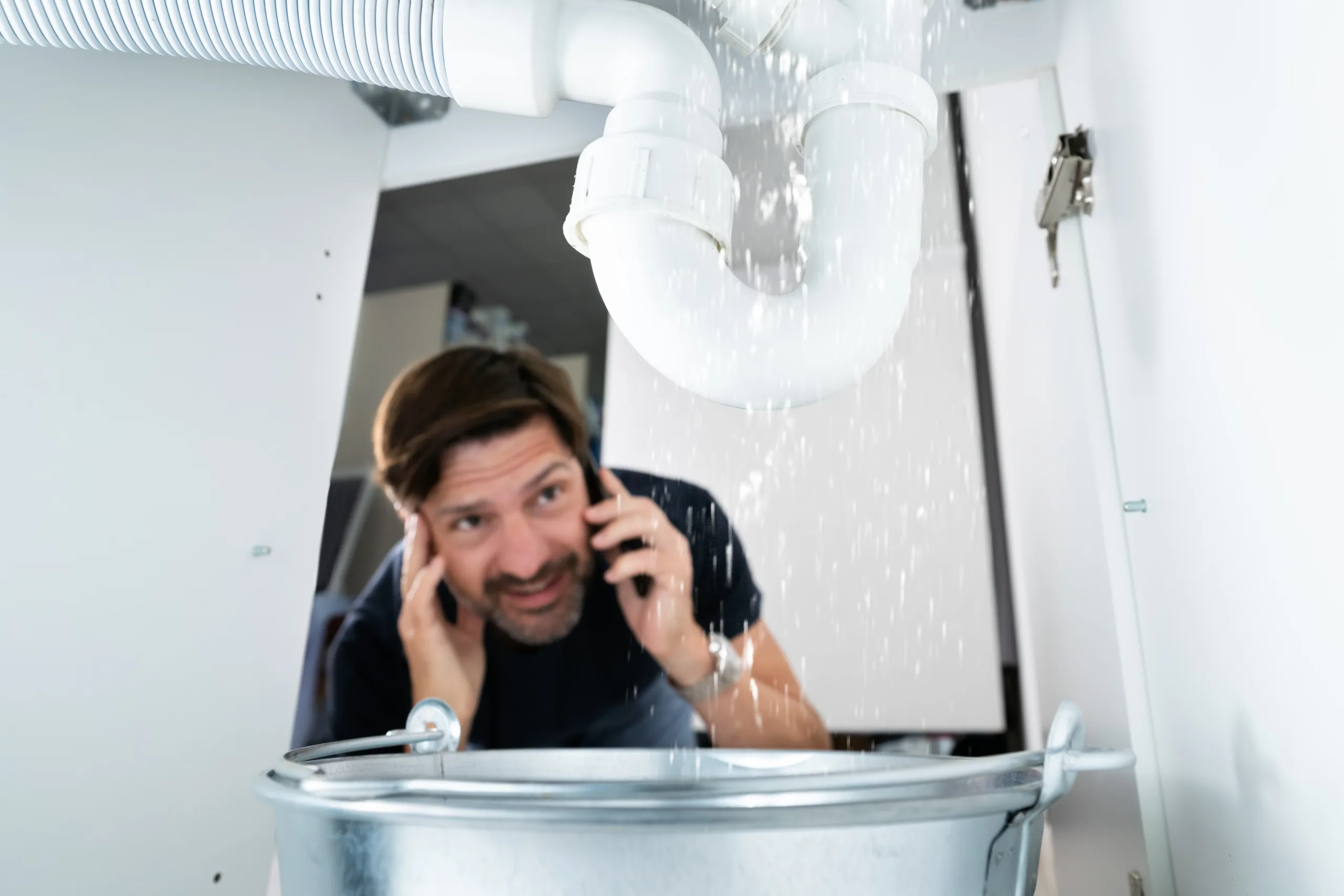
Apart from claims associated to accidental loss or damage to household belongings, insurance claims arising from Escape of Water have emerged as the most frequent of claims reported by homeowners under their home insurance policies.
Go Compare’s survey reveals that incidents involving an Escape of Water constitute to over 25% of all home insurance claims. Staggeringly, this means that there were 19,749 claims filed for Escape of Water in the past year.
The Association of British Insurers (ABI) have released statistics that coincide with the rise in Escape of Water claims, finding that around £1.8 million paid out by insurers on a daily basis on Escape of Water claims. Furthermore, the severity of Escape of Water claims seems to be on the rise, perhaps due to the increase of extreme weather events and a possible link to climate change.
Read more: What is an Escape of Water?
£1.8m
paid out last year
19K+
claims filed last year
25%
of all claims
High-rise apartment buildings on Escape of Water claims
The consequences of an Escape of Water when the source of the problem is not easy to find, can further complicate efforts to mitigate extensive damage. In the context of residential apartment blocks, identifying the origins can be challenging, especially in large complexes where communal pipework or individual apartment plumbing may be the culprit. This situation becomes even more difficult in high-rise apartment buildings, where a single Escape of Water incident can potentially impact multiple units.
See more case studies on YouTube
For both residential and commercial policyholders, here are a few preventative measures:
At the outset of purchasing your insurance policy, make sure the information you provide is fully comprehensive, including age, prior plumbing modifications, and boiler servicing history, aiding risk assessment and coverage determination.
Consider insulating pipes to mitigate cold weather-related risks and promptly address even minor issues. Be aware of potential coverage exclusions related to poor maintenance.
Make sure contractor work is overseen and monitored to ensure that the work is carried out to an appropriate standard.
Frequent property inspections can proactively identify issues related to workmanship, wear and tear, and potential Escape of Water triggers.
Finally, an investment in quality repairs. In the aftermath of an Escape of Water, the repair process should prioritise high-quality materials and skilled workmanship by qualified professionals.
