
Storm Damage Insurance Claim: Everything you need to know
When severe weather strikes, the impact can be devastating, damaged roofs, flooded basements, broken fences, and more. Storm damage can leave you stressed and overwhelmed, particularly when it comes to making an insurance claim.
What counts as Storm Damage?
Not every type of damage falls under storm coverage. Typically, insurers cover damage caused directly by extreme weather events, such as strong winds that rip off roof tiles, heavy rain that causes water ingress, flooding, lightning strikes, or fallen trees. However, wear and tear or poor maintenance usually isn’t covered, so knowing the difference is essential before you make a claim.
The Worst Storms to Ever Hit the UK
Prepare your Home for Winter with these Useful Tips
How to Handle the Aftermath of Storm Damage
Experiencing a storm can be overwhelming, and the period immediately after can feel chaotic. Taking the right steps early on can protect your safety, prevent further damage, and set the stage for a smoother recovery.
Prioritise Safety above All
Your first concern should always be safety. Before entering your property, carefully inspect the exterior for structural damage. If there’s any doubt about the stability of your home, wait for a professional assessment. Be alert to potential hazards like downed power lines, gas leaks, or loose debris, and never enter until it’s safe to do so.
Find Temporary Shelter if Needed
If your home is uninhabitable, arrange for temporary accommodation. Staying with family or friends is often the easiest solution, but if that’s not possible, local emergency services can provide assistance. These resources are there to help you get through this difficult period.
Stop Further Damage
Taking immediate steps to protect your property is essential. Cover broken windows or damaged roofing with boards to prevent water from getting in. Turn off electricity in areas with exposed wires, and remove wet or damaged belongings where possible to reduce the risk of mould or further deterioration.
Clear Debris Carefully
Once safety and temporary protection are in place, start clearing debris. This may include removing fallen branches, damaged furniture, or standing water. Take extra care when handling debris, as hidden hazards like sharp objects or unstable materials may be present.
Keep Detailed Records
Throughout the recovery process, maintain thorough records of all expenses related to the storm damage. This includes receipts for emergency repairs, replacement items, and any other costs incurred. Keeping well-organised documentation not only helps you track expenses but also supports your insurance claim.
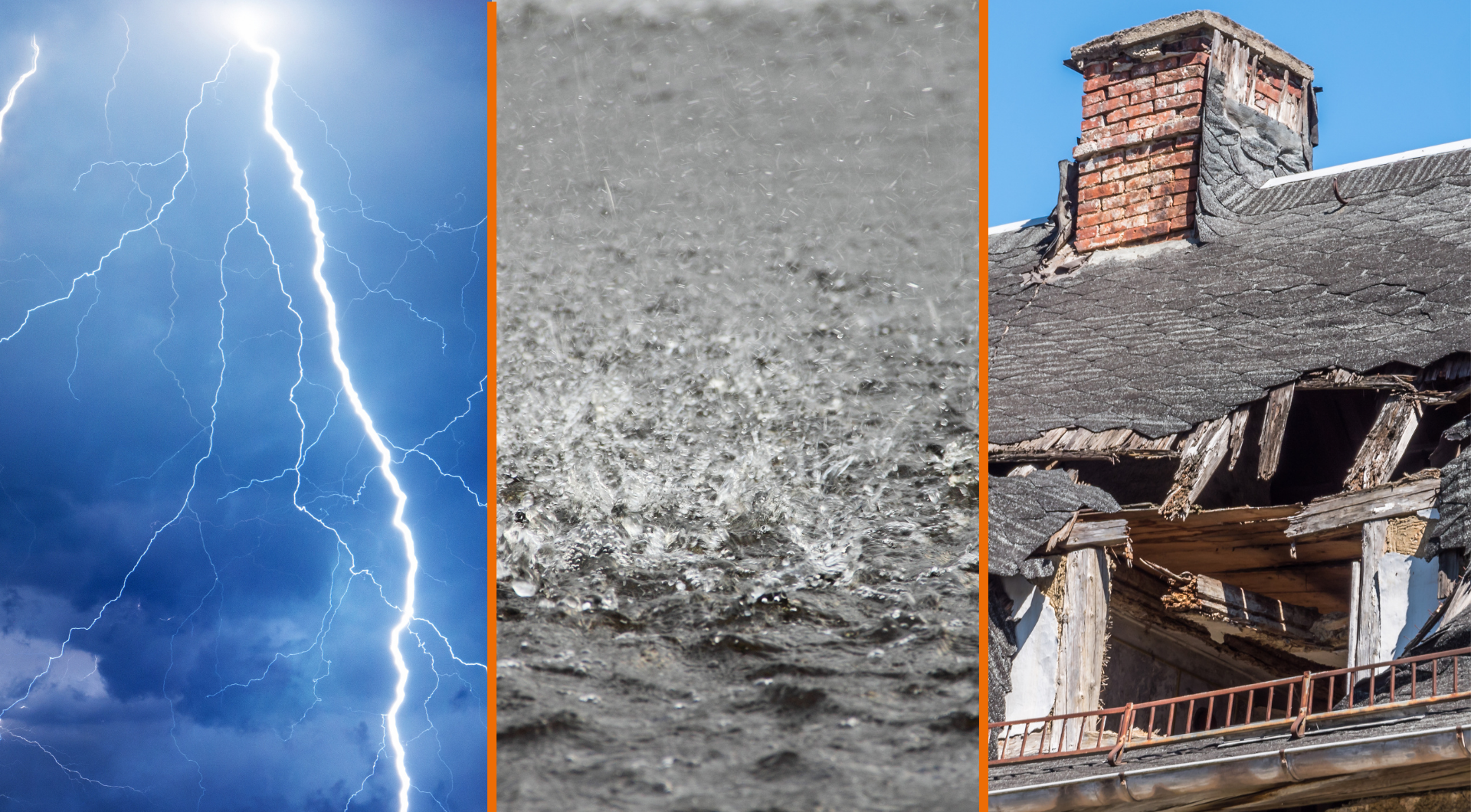
What is the usual process for making a storm damage insurance claim?
It might sound obvious, but it pays to check your policy first. Not all insurance policies cover storm-related damage, and exclusions or limits may apply depending on the type of damage (for example, fences or garden features may not be covered). Take the time to review your documents and make sure you understand what protection you have in place.
Once it is safe to do so, take a careful look at the damage. Photographs and videos are invaluable in showing your insurer exactly what has happened. Do not dispose of damaged items until your insurer or a loss assessor has had the opportunity to inspect them, unless they present a health and safety risk.
Notify your insurer as soon as possible, they will explain their process and confirm the information they need. Having your policy number, photos, and a list of damaged items ready can speed things up.
Alternatively, you can appoint Aspray as your loss assessor to handle these conversations for you, helping to reduce stress and keep your claim moving forward.
