
Why cutting corners on property repairs can cost more in the long run
When property damage occurs, it is natural to want the problem fixed as soon as possible. Whether the damage has been caused by escape of water, fire, flood, storm, impact or another insured event, the first response can shape the rest of the claim.
Cost pressures are leading to riskier repair decisions
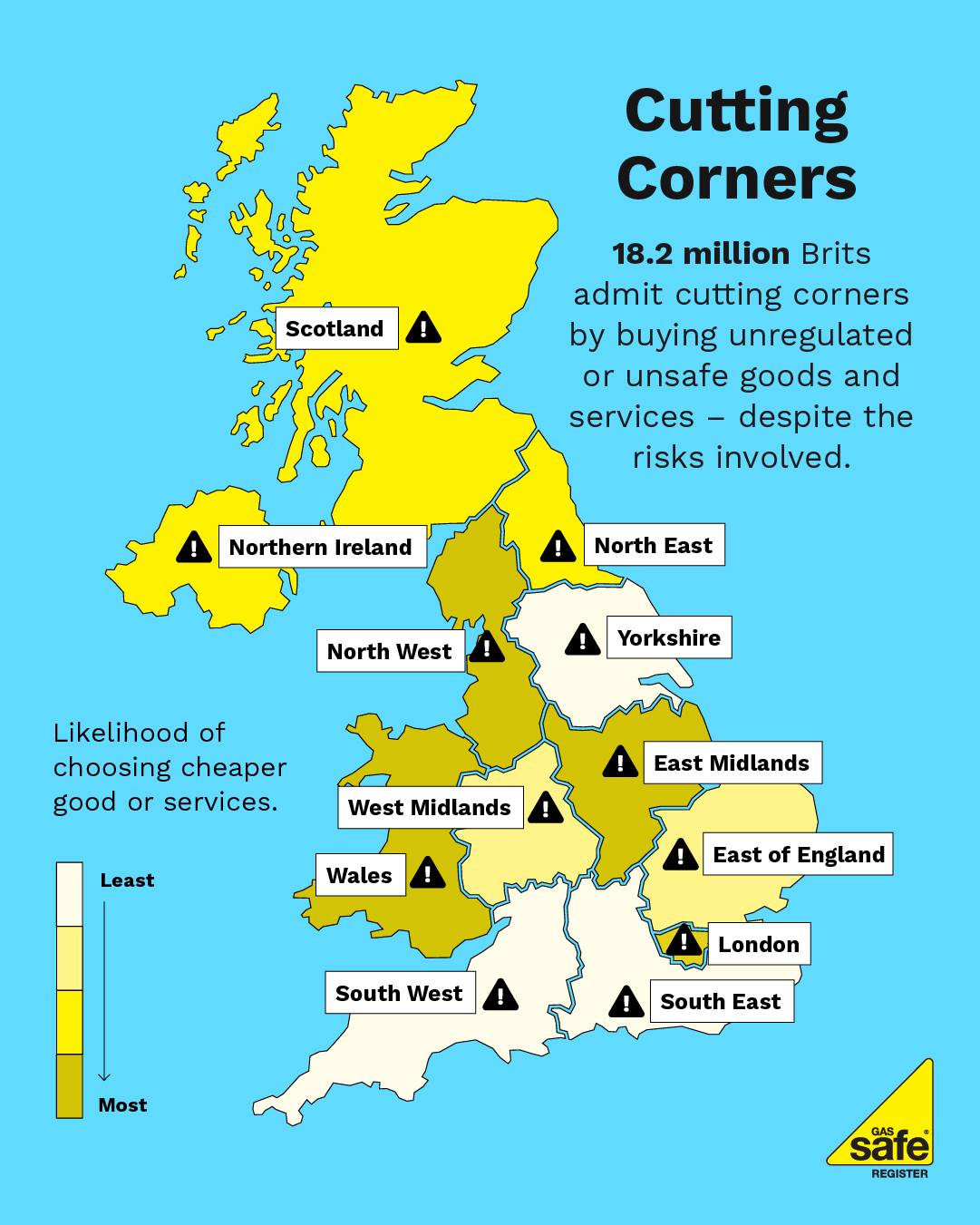
Recent research from the Gas Safe Register has highlighted how cost pressures are leading some people to take risks with household work. Its research found that more than 18.2 million Brits are turning to unregulated goods and illegal or unqualified tradespeople. It also found that 28% of people have cut costs on home maintenance and DIY, including using unregistered tradespeople, while 12% would consider using an unregistered gas worker to save money.
The same research found that 51% of people who tried to save money in this way ended up paying more to fix or replace poor work. This is an important warning for anyone dealing with property damage. A cheaper repair can become more expensive if the work is unsafe, incomplete or carried out by someone without the right qualifications.
Gas work must always be carried out by a qualified engineer
The safety message around gas work is clear: gas work must always be carried out by a Gas Safe registered engineer. Unsafe gas work can put people and property at serious risk.
However, the wider issue applies across many types of property repair.
Hidden damage can be missed without proper assessment
After damage occurs, the visible issue may only be part of the problem. A damp patch, damaged ceiling, leaking pipe, smoke-damaged room or storm-damaged roof may need proper investigation before reinstatement begins.
If repairs start before the full extent of the damage is understood, the work may fail to deal with the cause or leave hidden damage untreated.
That can create problems later. Damage may return, drying may prove incomplete, materials may need to be stripped out again, or the insurer may question whether all works relate to the original insured event. In some cases, poor records, unclear invoices or unqualified work can make the claim more difficult to evidence.
A clear scope of works helps protect the claim
This is where a clear scope of works matters.
A proper scope of works sets out what needs to be repaired, replaced, dried, cleaned, tested or reinstated. It helps make sure the claim is based on the full extent of the damage, rather than a quick visual assessment.
It also gives contractors, insurers and the policyholder a clearer record of what is required to return the property to its pre-loss condition.
Cash settlements can leave policyholders managing repairs alone
This is also why Aspray will often discourage cash settlements in many cases.
A cash settlement leaves the policyholder responsible for finding contractors, checking credentials, managing the works, and dealing with any issues if repairs are incomplete or poor quality.
When Aspray manages the reinstatement works, repairs are carried out by vetted contractors with the right certifications for the work required. This gives the policyholder greater reassurance that the property will be reinstated properly, in line with the agreed scope of works, rather than leaving them to source and manage the repairs alone.
The right support can reduce pressure after property damage
For homeowners, landlords and business owners, this support can help reduce the pressure that often follows property damage. It also helps avoid rushed decisions at a time when the policyholder may feel under stress.
The cheapest option at the start of a repair may not lead to the best outcome. If work is unsafe, incomplete, poorly evidenced or fails to address the true cause of the damage, the final cost can be far higher.
When property damage may lead to an insurance claim, the safest route is to pause, document the damage, notify the insurer, and get the right professional support before repairs begin. For gas work, that means using a Gas Safe registered engineer. For the wider claims process, it means making sure the damage is properly assessed, the claim is clearly presented, and the reinstatement work is handled with the correct scope in place.
Aspray can help policyholders through that process, acting on their behalf to manage the claim and the repairs needed to get the property back to where it should be.
