
How to Claim on your House Insurance for a Water Leak
If you have a water leak, or ingress of water at your property, claiming on your house insurance may be the next logical step. Burst/leaking pipes, plumbed in appliances, or leaking roofs can be expensive because of the extensive damage they cause. However, there may be a limited amount of money your insurance will pay out for due to the contents of your policy.
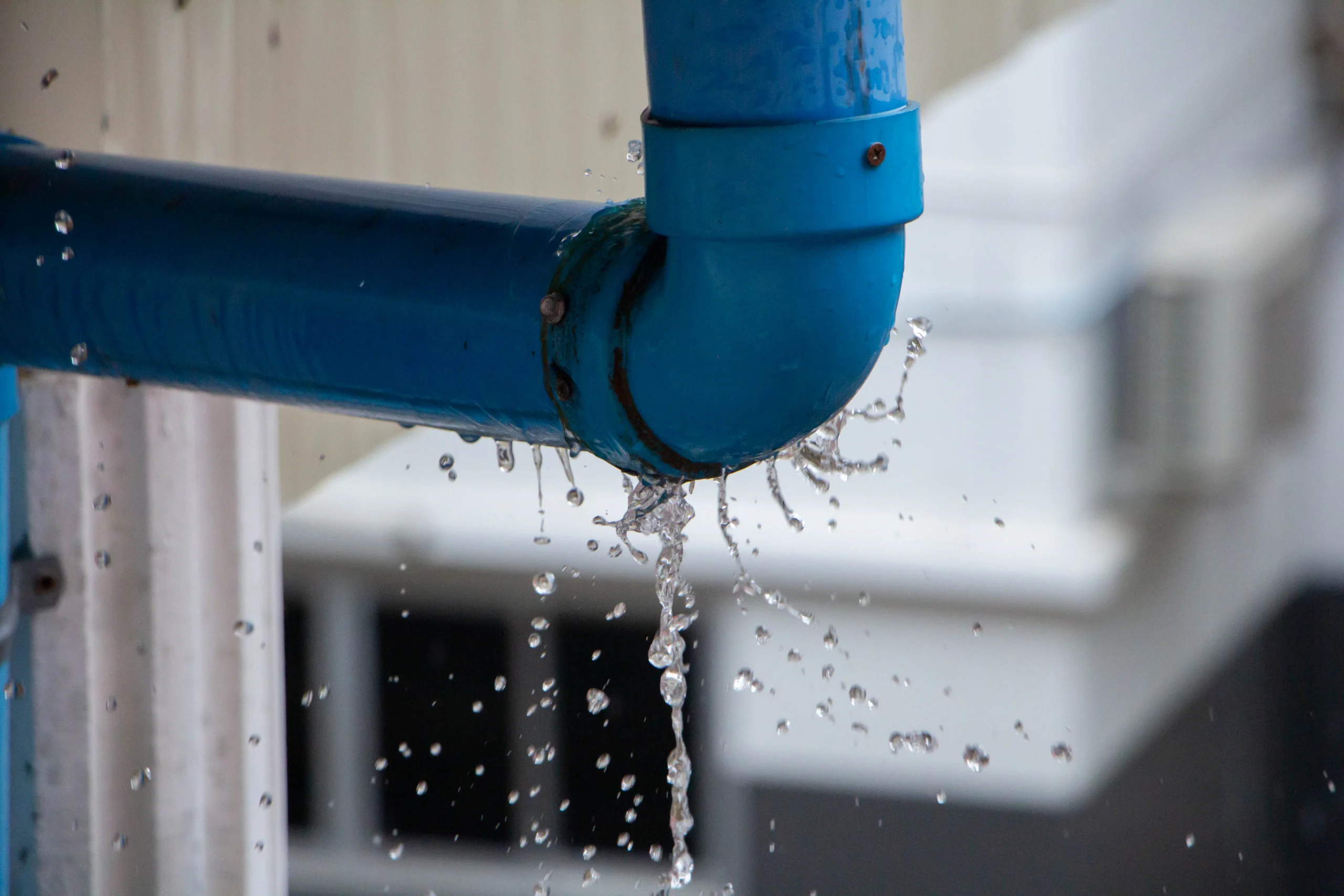
What Does House Insurance Cover When It Comes to Water Leaks?
Before claiming on your house insurance for a water leak, it’s worth reviewing your policy documents. Your policy schedule will detail exactly what you are covered for.
‘Escape of water’ claims are usually a standard feature of your policy. This would cover any damage related to water flowing within your property. An escape of water can be caused by water leaking from a pipe, tank, or appliance. Your policy wording will detail exactly the causes that your insurance covers.
An escape of water however is different from ‘water ingress’. Water ingress is water coming from the exterior of your property, perhaps from missing or loose tiles on your roof, and this would be classed as a storm damage claim.
Your policy will normally cover the costs of repairing a roof that has been damaged due to an unexpected event like a storm. The claim will not be covered if the roof is poorly maintained.
Finding a Leak
In some instances, you may discover a leak but be unable to trace where it originates. These circumstances may require a specialist to investigate. Although there are many leak detection techniques, some may involve intrusive works. At this point, it is crucial to check your policy for “Trace and Access” cover.
Trace and Access is not included as standard in every home insurance policy. If any damage is caused while locating the source of the leak, Trace and Access cover will pay for restoring the affected areas to their pre-loss condition. Without it, you could be left with a hefty bill.
Find out more about finding a leak and Trace and Access cover here
Step-by-Step Guide to Claiming on Your House Insurance
1. First action: stop the water leak!
Before getting your insurance company involved, you should take active steps to stop the water leak itself, if possible. Otherwise known as mitigating the damage, your insurer may check that you did not allow the damage to become worse one aware of the leak.
The first service you should call is either a leak detection company or a plumber. If the leak is severe ensure you turn off the mains stopcock.
Your policy will cover the damage as a result of the water leak, and MAY also cover investigate works required to source the leak, however, it will not cver the repair of the leak itself.
2. Contact your insurer
Once you have taken steps to stop the leak and prevent further damage, the next step is to contact your insurer as soon as possible. Provide them with details of the incident, including when it happened, the suspected cause, and any immediate actions you have taken. Prompt communication can help avoid delays in the claims process.
3. Gather Evidence
Take clear photographs or videos of the damage caused by the water leak, including any affected walls, floors, ceilings, or belongings. Keep records of any emergency repair work carried out to stop the leak, as well as receipts or invoices for any costs you have incurred. Your insurer may ask for this evidence to assess the validity and extent of your claim. The more detailed and organised your documentation, the smoother the process is likely to be.
When claiming on your house insurance, a Loss Adjuster may be appointed to validate the claim. Loss Adjusters are insurance professionals working on behalf of the insurer and will inspect the damage and, in some case, decide on the settlement value.
Find out more about the role of a Loss Adjuster here
4. Negotiate your settlement
Once your insurer has assessed the damage and reviewed your evidence, they will provide a settlement offer based on the terms of your policy. It is important to review this carefully to ensure it reflects the full cost of repairs and any other losses covered by your policy. If you believe the offer is too low or something has been missed, you have the right to question it and provide further evidence if needed. In some cases, bringing in a loss assessor to represent you can help ensure you receive a fair and accurate settlement.
5. Project Manage Reinstatement
The reinstatement phase involves carrying out the necessary repairs to restore your property to its original condition before the damage occurred. This can include building works, decorating, and replacing damaged fixtures or finishes. Depending on your insurance policy, you may be required to arrange the reinstatement yourself, or your insurer may appoint approved contractors to complete the work. It is important to ensure that the repairs are completed to a satisfactory standard and that any variations from the agreed scope of work are approved in writing. Keeping a record of all communication and progress during this phase can help prevent issues later on.
The risk of ignoring water damage
Often, homeowners discover damp and mould growth in their home, or raised/bowed flooring. It is only on closer inspection, perhaps by a leak detector, that a hidden water leak is discovered.
In this scenario, it is unreasonable to expect the homeowner to have intervened earlier. However, if the leak is visible at your property and you choose to ignore it, your claim may be rejected (referred to as repudiated).
Your insurance company will likely expect you to have done everything you can to mitigate the damage at your property. Failure to comply may result in your insurance claim being turned down.
Validating your insurance claim
Provided you are covered, the amount settled when claiming on your house insurance for a water leak will vary. Often, your insurance company will instruct their appointed Loss Adjuster to audit the extent of damage and repair costs. A Loss Adjuster works on behalf of your insurance company; however, you can appoint your own representation.
As previously mentioned, your insurer and their appointed Loss Adjuster will consider whether the water leak is from a fixed pipe or appliance, leaking roof due to storm damage, or the result of general wear and tear or poor maintenance. This may be a discussion that you wish to have your own representation for.
As Loss Assessors, Aspray have helped many homeowners with their water damage insurance claims. As experts in property structure, Aspray work to ensure that a comprehensive damage report will be put forward to your insurance company.
Escape of water is one of the most common insurance claims
Escape of water makes up a third of all buildings insurance claims and is worth millions of pounds each year.
In recent years, two factors have contributed to an increase in escape of water claims. There has been an increase in home improvements and DIY, with people opting to install new water appliances. En-suites, underfloor heating, showering facilities all bringing about more potential hazards for an escape of water to occur.
Find out why home maintenance could impact your insurance claim
Secondly, the UK has experienced drastic temperature changes in recent years. With colder winters and hotter summers. Frozen pipes crack because of the expanding ice inside of them. Frozen pipes are also more likely to burst when thawing out as the weather warms up again.
All this has lead to more policyholders claiming on their house insurance for a water leak. In fact, in quarter 2 of 2024, insurance companies paid out £144million for home insurance claims caused by storms, heavy rain and frozen pipes. Making this the fifth quarter in a row to payout over £100million for these types of perils.
