
Key Statistics on House Fires in the UK
House fires continue to be a significant concern in the UK, affecting numerous households each year. An analysis of the most recent data from the Fire and Rescue Services provides valuable insights into the frequency, causes, and impacts of these incidents.

Annual Incidence of House Fires
In the year ending September 2024, Fire and Rescue Services (FRSs) in England attended 38,375 building fires, which include dwelling and other building fires. These incidents accounted for 6.4% of all incidents, 29% of all fires, and 63% of all primary fires during this period.
To further reduce the incidence of house fires, it is critical that homeowners and tenants remain proactive in fire safety. Ensuring that fire alarms are tested regularly, and potential hazards are addressed promptly can all contribute to lowering the number of incidents that require the intervention of Fire and Rescue Services. Additionally, communities are encouraged to engage in fire prevention activities, as collective awareness can help mitigate the risks associated with house fires.
Source: Home Office. GOV.UK. Available at: Fire Statistics Data Tables. Updated: 25 July 2024.
Trends Over Time
Over the past decade, there has been a notable decrease in the number of building fires. For instance, in the year ending September 2014, there were 46,817 building fires, compared to 38,375 in the year ending September 2024, representing an 18% reduction. This decline reflects ongoing improvements in fire prevention and safety measures, including advancements in fire-resistant building materials, stricter regulations on electrical safety, and increased public awareness campaigns.
Additionally, the widespread installation of smoke alarms and fire suppression systems, as well as initiatives such as regular fire safety inspections and landlord responsibilities in rental properties, have contributed to the reduction.
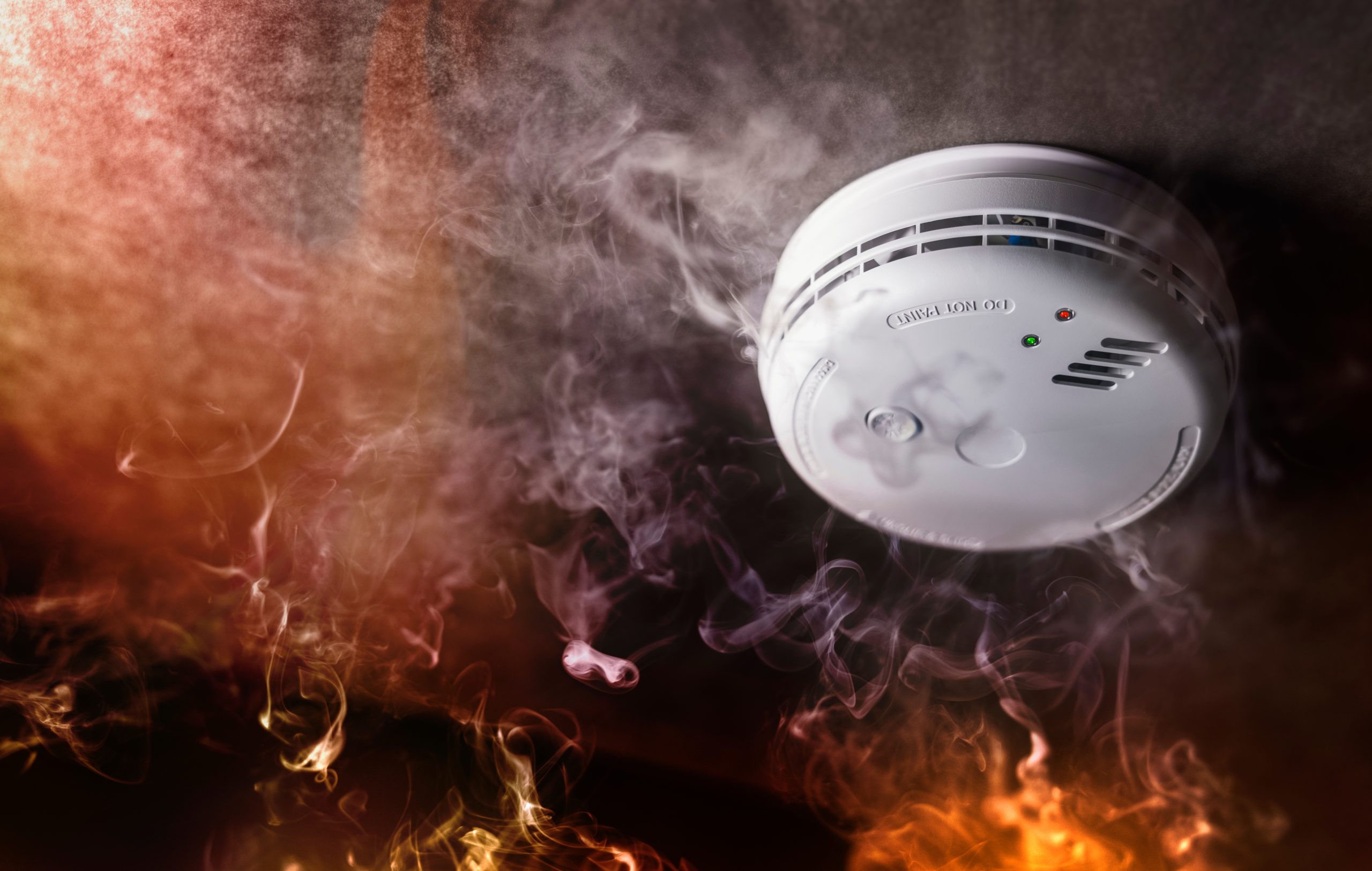
Fire and Smoke Detectors: Having working fire and smoke detectors are essential for early detection, providing crucial seconds to evacuate and prevent further damage.
Breakdown of Dwelling Fires
Dwelling fires, referring to fires in residential properties, have also seen a decrease. In the year ending June 2023, there were 26,491 dwelling fires, a 1.8% decrease compared to the previous year and a 21% decrease compared to ten years prior. These fires accounted for 40% of primary fires and 15% of total fires during this period.
Despite the positive trend, the number of dwelling fires remains a significant concern, especially in higher-risk households, such as those with elderly residents or children. As household appliances become more complex and energy-intensive, ensuring safety protocols are followed becomes even more critical to continuing the decline in residential fires.
Case Study: From Devastation to Recovery: Tackling a Major Fire Damage Claim in Tunbridge Wells
When a fire strikes, the damage can be both emotionally and financially overwhelming. Recently, our Tunbridge Wells, Eastbourne, and Maidstone appointed representative, Clive Hawkesley, was on-site at a block of flats that suffered severe fire and smoke damage.
Clive and the hardworking team are fully committed to managing this major claim and restoring the property to its pre-loss condition as swiftly as possible.
The Leading Causes of Fires in the UK
Hope amidst the ashes: Aspray help with a devastating house fire
Emerging Concerns: Appliance Related Fires
The increasing number of dryer and air fryer fires has become a growing concern, with insurers reporting a sharp rise in incidents. For example, in the 12 months leading up to March 2024, there were 146 reported house fires associated with air fryers in England, a 57% increase from the previous year.
This surge coincides with the growing popularity of these appliances. These fires have caused extensive damage, costing homeowners thousands of pounds in repairs and insurance claims across the country. As household reliance on electrical appliances continues to grow, ensuring proper usage, regular maintenance, and adherence to safety guidelines is more critical than ever in preventing future fire-related losses.
Dryer Fires: The Hidden Fire Hazard Lurking in Your Home
Air Fryer Fire: Insurers say Tens of Thousands of Pounds in Damage Caused
The Growing Importance of Fire Safety
While the overall number of house fires in England has been decreasing, ongoing vigilance is necessary, especially concerning the safe use of household appliances. Continued education on fire prevention and adherence to safety protocols are essential to further reduce the incidence and impact of house fires nationwide.
If you experience a fire-related incident, Aspray is here to support you. From handling the claims process to overseeing property restoration, Aspray provides expert guidance to help homeowners rebuild and recover as quickly as possible.
For more information visit: www.gov.uk/government/fire-prevention-and-rescue
